



NK1R
Neurokinin-1 receptor (NK1R), encoded by TACR1, is the preferred receptor for substance P and functions as a G protein-coupled receptor that links neuronal, immune, and inflammatory signaling systems[1][2]. Upon substance P binding, NK1R activates phospholipase C-, protein kinase C-, and MAPK-associated pathways, leading to intracellular calcium mobilization, NF-κB activation, and production of pro-inflammatory mediators[2][3]. Mechanistically, the substance P/NK1R axis regulates neurogenic inflammation, immune cell activity, vascular permeability, cytokine production, and cellular responses relevant to pain, stress, and tissue injury[1][2][3]. In disease models, increased NK1R signaling has been associated with neuroinflammation, inflammatory disorders, infection-related pathology, and multiple cancer types, where receptor activation contributes to cell proliferation, migration, angiogenesis, and survival signaling[1][2][4]. Compared with related tachykinin receptors NK2R and NK3R, NK1R exhibits the highest affinity for substance P and possesses two major isoforms, a full-length receptor and a truncated receptor that differ in signaling capacity and biological function[1][5]. The full-length isoform more effectively supports NF-κB-dependent inflammatory signaling, whereas the truncated isoform displays distinct regulatory properties and has been implicated in immune modulation and cancer-associated biology[3][5]. For experimental applications, selective NK1R antagonists have been widely used to investigate substance P-dependent signaling pathways and have demonstrated therapeutic utility in chemotherapy-induced nausea and vomiting, while remaining valuable pharmacological tools for studying inflammation, neurobiology, and tumor-related mechanisms[2][4].
References:
- [1]. Douglas SD, et al. Neurokinin-1 receptor: functional significance in the immune system in reference to selected infections and inflammation. Ann N Y Acad Sci. 2011 Jan;1217:83-95. [Content Brief]
- [2]. Mishra A, et al. Neurokinin receptors and their implications in various autoimmune diseases. Curr Res Immunol. 2021 Jul 1;2:66-78. [Content Brief]
- [3]. Peter EK, et al. A Hybrid Hamiltonian for the Accelerated Sampling along Experimental Restraints. Int J Mol Sci. 2019 Jan 16;20(2):370. [Content Brief]
- [4]. Garcia-Recio S, et al. Biological and Pharmacological Aspects of the NK1-Receptor. Biomed Res Int. 2015;2015:495704. [Content Brief]
- [5]. Tuluc F, et al. Neurokinin 1 receptor isoforms and the control of innate immunity. Trends Immunol. 2009 Jun;30(6):271-6. [Content Brief]
-
NK1R Related Products (68)
Related Products (68)

-
Senktide
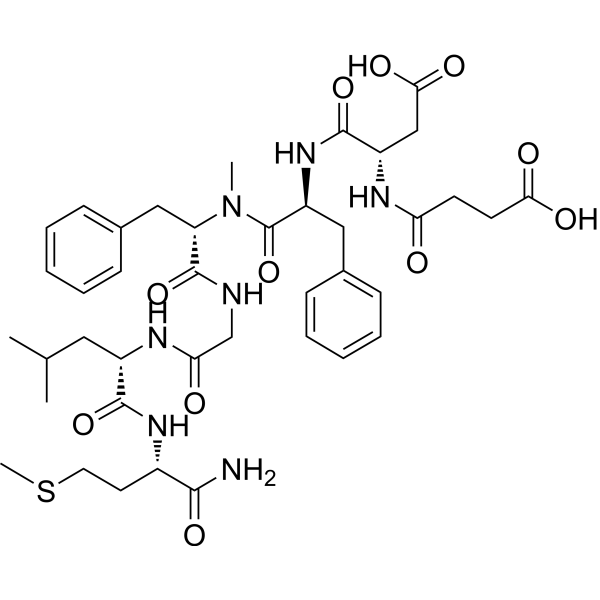 0 ImagesSenktide is a potent, selective agonist of the neuromedin K3 (NK3) receptor (EC50=0.5-3 nM). Senktide less potently agonizes the NK1 receptor (EC50=35 µM). Senktide is promising for research of neurological disease.
-
Netupitant
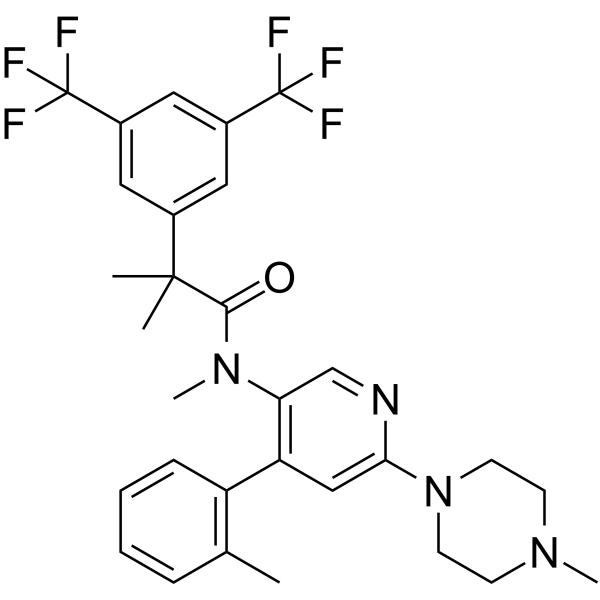 0 ImagesSynonyms: CID 6451149Netupitant (CID 6451149) is a blood-brain barrier penetrable, orally active NK1 receptor inhibitor with a Ki of 0.95 nM (CHO cells) against the human receptor. Netupitant antagonizes the effects induced by Substance P, inhibits the maximal response of Substance P with a long-lasting action, and suppresses NK1 agonist-induced behaviors in mice and gerbils. Netupitant reduces the frequency of bladder contractions, prolongs contraction intervals, decreases basal pressure at high doses, and acts on the afferent branch of the micturition reflex. Netupitant can be used in research related to overactive bladder, chemotherapy-induced nausea and vomiting, post-operative nausea and vomiting, anxiety disorders, and depression.
-
N-Acetyl-L-tryptophan
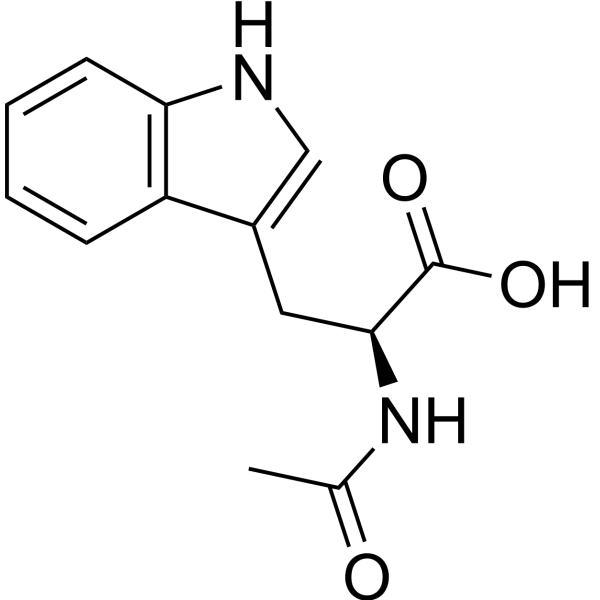 0 ImagesN-Acetyl-L-tryptophan is an antagonist of the neurokinin-1 receptor (NK-1R), disrupting the binding of substance P (SP) to NK-1R. This action provides neuroprotective effects, improving memory deficits and motor impairments. N-Acetyl-L-tryptophan is also an inhibitor of cytochrome c (Cytochrome c), and it exerts antioxidant and anti-inflammatory effects by inhibiting the expression of IL-1β and the activation of caspase-1. N-Acetyl-L-tryptophan holds promise for research in neurodegenerative and inflammatory diseases.
-
Ranakinin
 0 ImagesCat. No.: HY-P2139CAS No.: 139446-71-2Ranakinin is a NK1R agonist. Ranakinin inhibits the binding of selective NK1 radioligands to NK1 receptors. Ranakinin activates phospholipase C (Phospholipase C), thereby enhancing polyphosphoinositide hydrolysis. Ranakinin stimulates inositol phosphate production and reduces membrane polyphosphoinositide levels. Ranakinin stimulates corticosterone and aldosterone secretion.
-
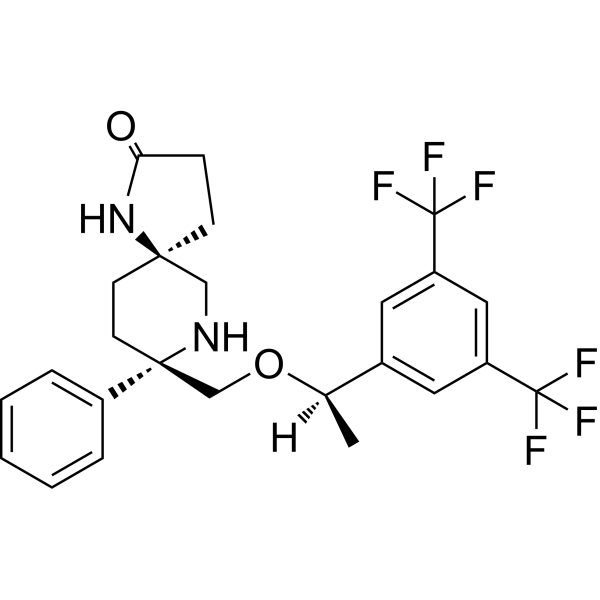
Rolapitant hydrochloride
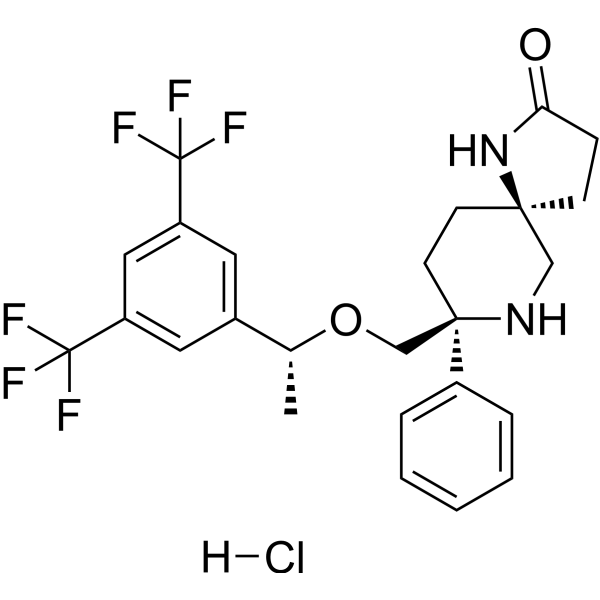 0 ImagesCat. No.: HY-14751ACAS No.: 858102-79-1Synonyms: SCH619734 hydrochlorideRolapitant (SCH619734) hydrochloride is a potent, selective, long-acting and orally active neurokinin 1 (NK1) receptor antagonist with a Ki of 0.66 nM. Rolapitant hydrochloride does not interact with CYP3A4. Rolapitant hydrochloride shows potent anti-emetic activity in a ferret emesis model.
-
L-733060 hydrochloride
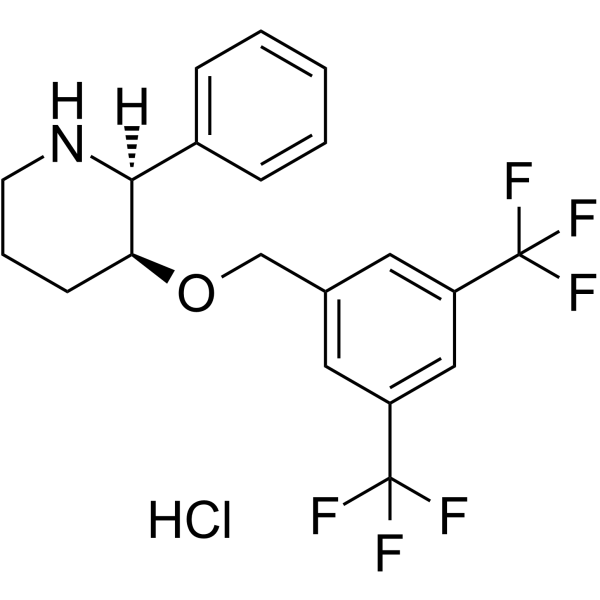 0 ImagesL-733060 hydrochloride is a selective neurokinin-1 (NK-1) receptor antagonist. L-733060 hydrochloride mainly regulates pain transmission and neural plasticity by blocking the binding of Substance P (P substance) to the NK-1 receptor. L-733060 hydrochloride blocks the promoting effect of Substance P on long-term potentiation (LTP) in the hippocampus. L-733060 hydrochloride reverses the orofacial hyperalgesia induced by experimental occlusal interference (EOI) in rats. L-733060 hydrochloride hydrochloride inhibits neurogenic plasma extravasation at a dose that does not cause adverse cardiovascular effects in rodents, and also acts as an anti-tumor agent. L-733060 hydrochloride can be used for the study of chronic orofacial pain.
-
GR-73632
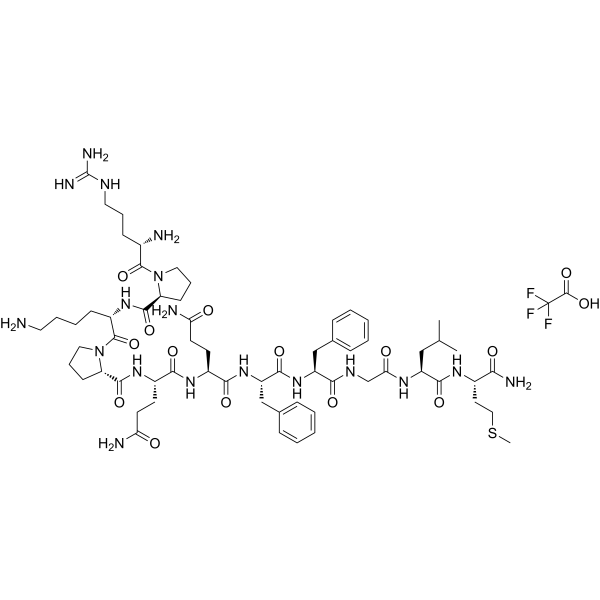
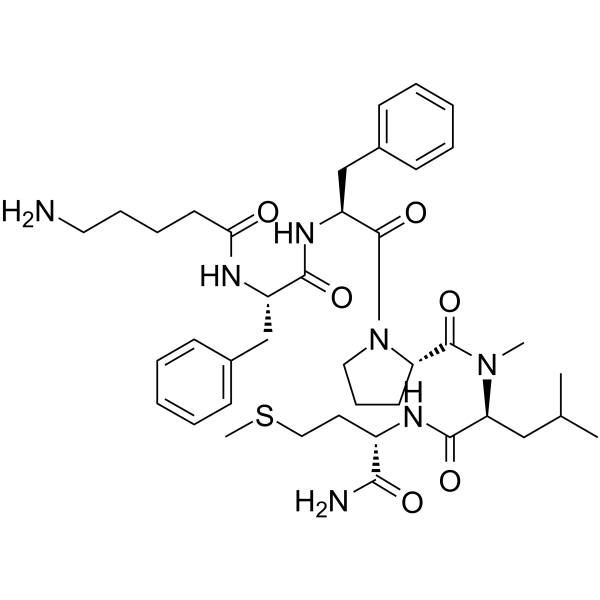 0 ImagesGR-73632 is a tachykinin NK1 receptor agonist. GR-73632 activates spinal NK1 receptors to induce scratching, biting and licking behaviors. GR-73632 activates peripheral NK1 receptors to trigger lacrimation in guinea pigs, and activates central NK1 receptors to induce repetitive hind paw tapping behavior in gerbils. GR-73632 is applicable to research related to pruritus.
-
L-732138
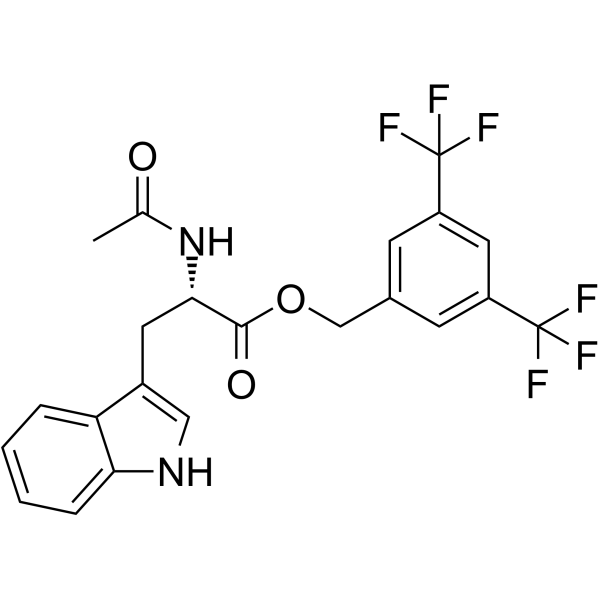 0 ImagesL-732138 is a selective, potent and competitive neurokinin-1 (NK-1) receptor antagonist with an IC50 of 2.3 nM. L-732138 has 200-fold more potent in cloned human NK-1 receptors than cloned rat NK-1 receptors, and has > 1000-fold more potent than human NK-2 and NK-3 receptors. L-732138 can reduce hyperalgesia and has antitumor action.
-
Eprazinone dihydrochloride
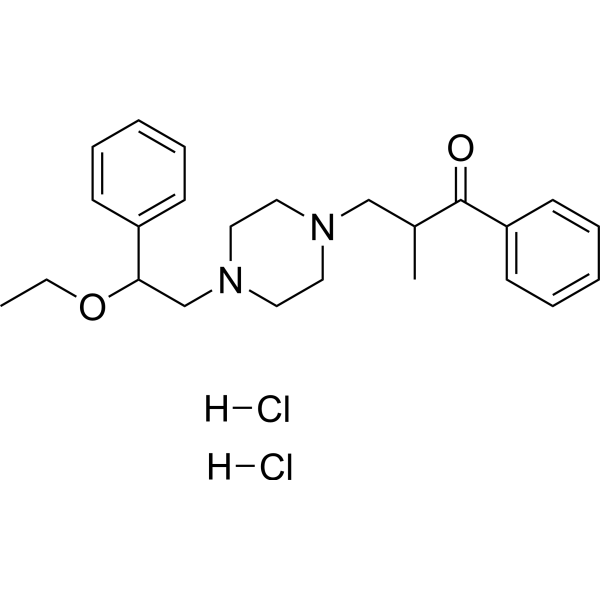 0 ImagesEprazinone dihydrochloride is a gent with mucolytic, secretolytic, antitussive, and bronchial antispasmodic properties. Eprazinone dihydrochloride is a neurokinin 1 receptor (NK1R) ligand. Eprazinone dihydrochloride has the potential for chronic bronchitis treatment that improved pulmonary function and arterial partial pressure of oxygen.
-
Vapreotide
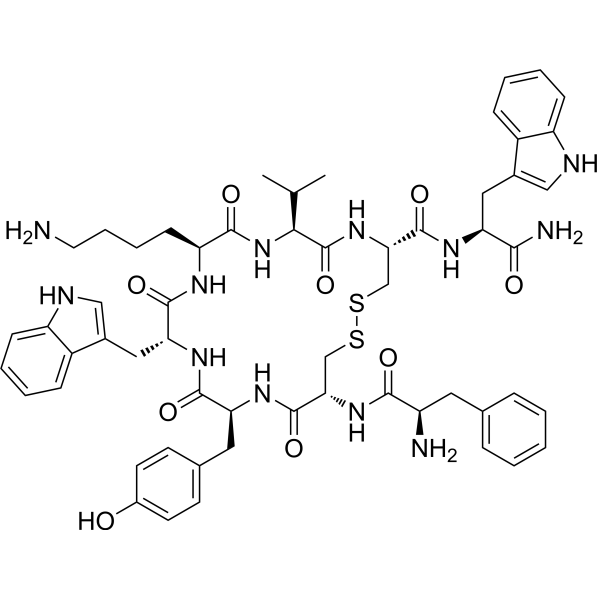 0 ImagesSynonyms: RC160; BMY 41606Vapreotide is a neurokinin-1 (NK1) receptor antagonist, with an IC50 of 330 nM.
-
Orvepitant maleate
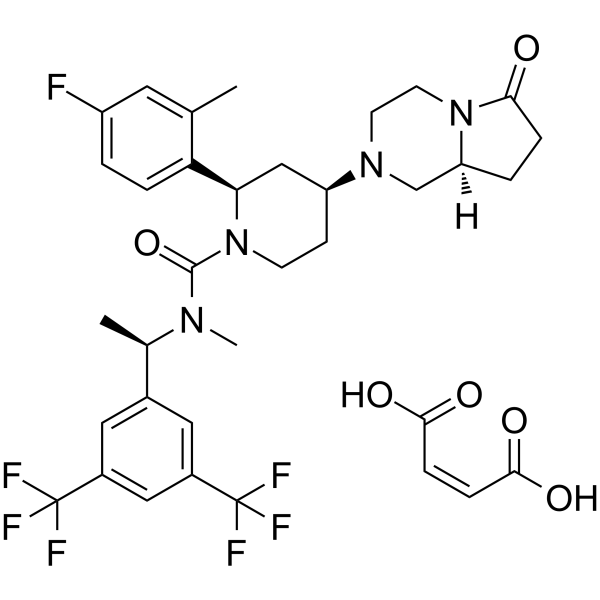 0 ImagesSynonyms: GW823296 maleateOrvepitant maleate (GW823296 maleate) is potent, selective, orally active and well-tolerated neurokinin-1 receptor (NK-1) antagonist with a pKi of 10.2 for human neurokinin-1 receptor. Orvepitant maleate can across the blood-brain barrier. Orvepitant maleate has the potential for depressive disorder and chronic refractory cough (CRC) treatment.

-
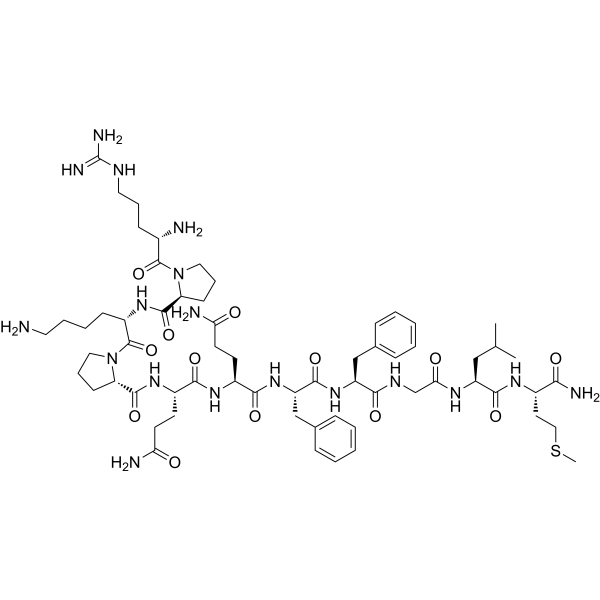
Spantide II
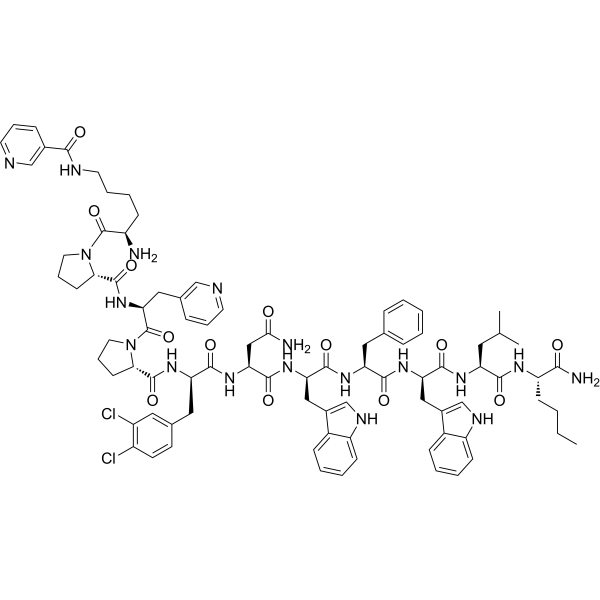 0 ImagesSpantide II, an undecapeptide substance P (SP) analog, is a potent neurokinin-1 receptor (NK-1R) antagonist. Spantide II binds with NK-1R and blocks proinflammatory activities associated with SP. Spantide II can be used in the research of inflammatory skin disorders, such as psoriasis and contact dermatitis.
-
Rolapitant hydrochloride hydrate
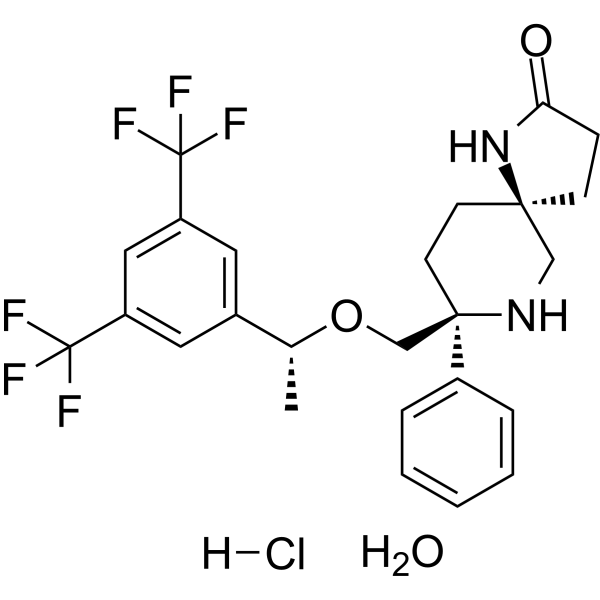 0 ImagesSynonyms: SCH619734 hydrochloride hydrateRolapitant hydrochloride hydrate (SCH619734 hydrochloride hydrate) is a potent, selective, long-acting and orally active neurokinin 1 (NK1) receptor antagonist with a Ki of 0.66 nM. Rolapitant hydrochloride hydrate does not interact with CYP3A4. Rolapitant hydrochloride hydrate shows potent anti-emetic activity in a ferret emesis model.
-
Maropitant
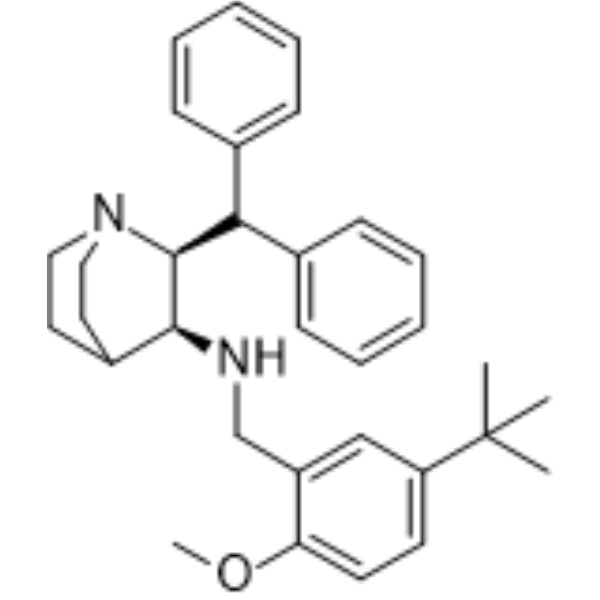 0 ImagesMaropitant is an orally active NK1 receptor antagonist. Maropitant prevents vomiting and inhibits ulcerative dermatitis.
-
Casopitant mesylate
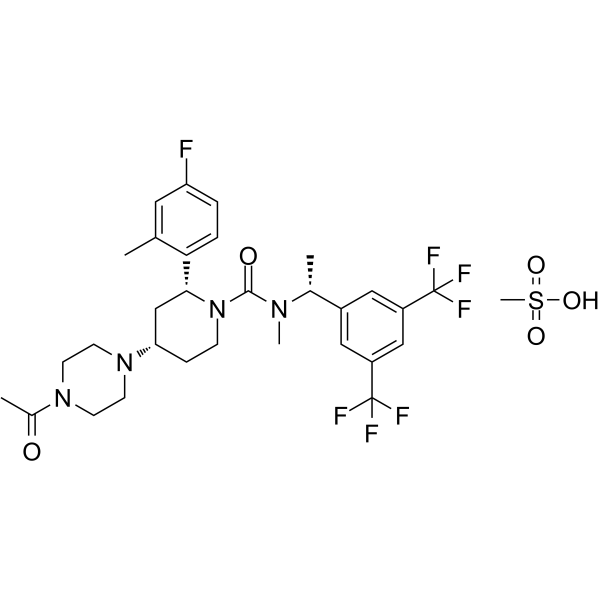 0 ImagesSynonyms: GW679769BCasopitant mesylate (GW679769B) is a potent, selective, brain permeable and orally active neurokinin 1 (NK1) receptor antagonist. Casopitant mesylate is a second in the class of antiemetics that acts to antagonise the emetogenic effect of Substance P (HY-P0201). Casopitant mesylate is also a substrate and a weak-to-moderate inhibitor of CYP3A4. Casopitant mesylate can be used for chemotherapy-induced nausea and vomiting (CINV) and postoperative nausea and vomiting (PONV).
-
Vofopitant dihydrochloride
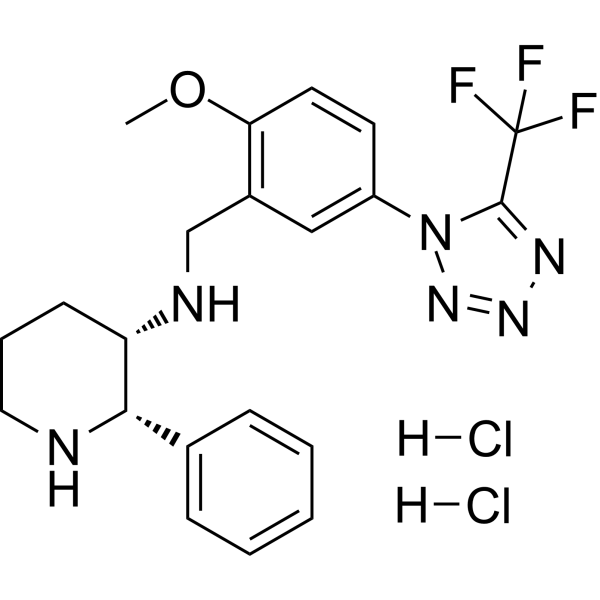 0 ImagesSynonyms: GR 205171AVofopitant dihydrochloride (GR 205171A) is a blood-brain barrier-permeable NK1 receptor inhibitor with a pKi of 9.02 in mice. Vofopitant dihydrochloride blocks vomiting-related responses and inhibits pseudoptyalism. Vofopitant dihydrochloride exerts anxiolytic effects, regulates 5-HT receptor function and increases central 5-HT release. Vofopitant dihydrochloride improves hyperarousal symptoms of post-traumatic stress disorder. Vofopitant dihydrochloride can be used in research related to depression, anxiety, vomiting and postoperative nausea and vomiting.



